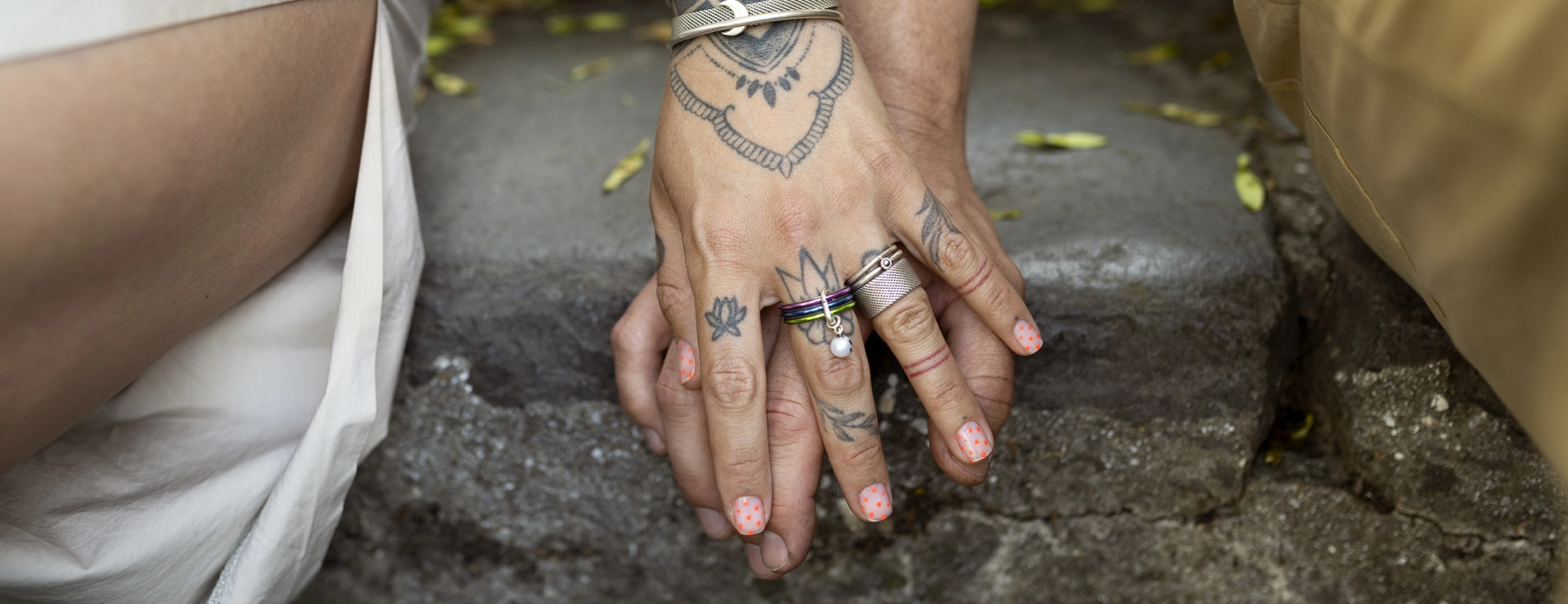
OVERVIEW
Popular. Small-size. Prominent placement and visibility.
Beautiful and unique way to express yourself.
Requires careful consideration and planning, and a skilled artist.
Right design + placement + experienced artist = best result.
KEY POINTS
- design selection
- pain level
- artist selection
- healing
- long-term care
- precautions and risks
DESIGN SELECTION
Size
A smaller, simpler design is best due to the limited available area. Detailed designs may blur over time and not be clearly readable or understandable.
Placement
Some areas of the hand will naturally be more prone to fading and wear e.g. inside of the finger or the knuckles. Tattoo ink takes differently on certain parts of the body and with different skin types. Fading doesn’t necessarily mean bad work - this is just the nature of finger tattoos.
Bold, simple design
Bold lines and simple shapes are less likely to fade or blur over time. Text should be clean and bold, with well-spaced letters.
PAIN LEVEL
Finger tattoos can be quite painful as finger skin in thin and close to bones and nerves. The pain level will vary depending on the individual and area being tattooed. Near the knuckles or the inside of fingers usually more painful. However, these tattoos are typically of a smaller size so will usually be a quicker session.
ARTIST SELECTION
To get the best results you will need to choose an experienced artist. There are unique challenges: size, durability, placement, and fading potential. These tattoos need precision and patience to create quality work so do your research.
Price may vary as the cost of a tattoo appointment covers the artist’s materials, design, time, and experience. Just because it’s a small tattoo doesn’t mean it will be cheaper than a tattoo in another place on your body.
HEALING AND AFTERCARE
Aftercare is always essential but is especially important for finger tattoos.
- keep your hands clean with mild, fragrance-free soap at least twice a day
- don’t soak your hands in water e.g. bath or pool, while healing
- use a quality aftercare product e.g. After Art or Toochi and avoid petroleum- or alcohol-based products
- avoid wearing gloves or jewellery for a while to allow tattoo to breathe and heal
- limit sun exposure to avoid fading and damage, and use a tattoo-friendly sunscreen
- allow 4-8 weeks for the tattoo to heal completely
- don’t pick at any scabs or peeling skin as this can cause infections or ink fall-out
TOUCH-UPS AND LONGEVITY
These types of tattoos are prone to fading due to the constant use of our hands and their exposure to the elements. Touch-ups will most likely be required every few years to keep your finger tattoo looking fresh. You should discuss with your artist and be sure to consider the ongoing cost of regular touch-ups.
PRECAUTIONS AND RISKS
Infections
Finger tattoos are quite susceptible to infection due to the frequent use of our hands. Proper aftercare and cleanliness are essential to keep them healthy and safe.
Job Considerations
Some employers may have policies or prejudices against hiring people with visible tattoos, especially on the hands or fingers, so please consider this when getting a finger tattoo.
This attitude is hopefully changing with time as more people come to understand and appreciate the art and culture of tattooing.
Allergies & Skin Conditions
Always advise the studio, and your artist, of any conditions, medications, or allergies that might affect the tattoo application or healing process. If you’re unsure about any of the above, consult with your doctor or a dermatologist.
If you experience any pain, irritation, or just have questions, after your tattoo please contact us by phone, email, or visit the studio or your health practitioner.
We provide a comprehensive aftercare instruction sheet with every tattoo - we can also send this by email. This information is is also on our website.
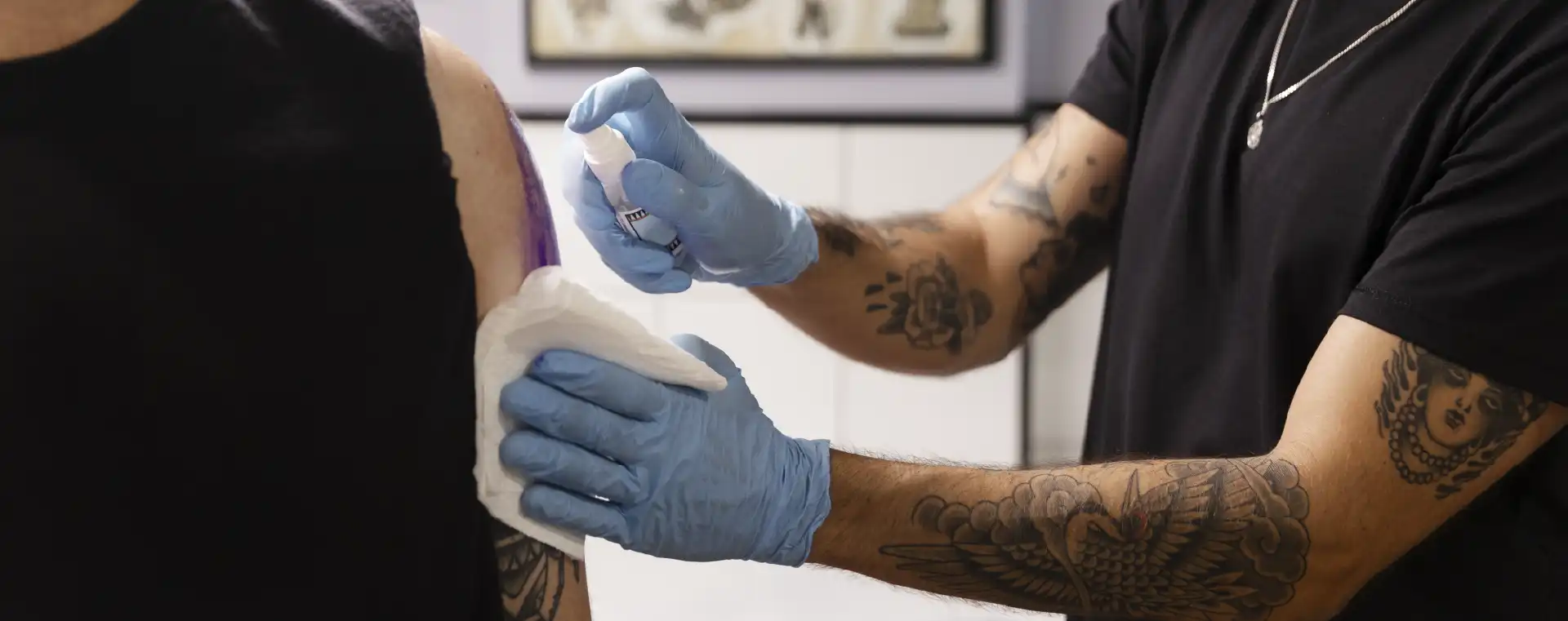
Medications & Numbing Creams Studio Guidelines
INTRODUCTION
To ensure a safe, clean, and high-quality tattoo procedure, it is important that clients understand how certain medications and topical products affect the skin and the body during tattooing. Some substances can interfere with the tattoo process, compromise results, or increase health risks. The following guidelines outline best-practice recommendations for both clients and tattoo artists.
NUMBING CREAMS & TOPICAL ANAESTHETICS
Many over-the-counter numbing creams contain lidocaine, tetracaine, benzocaine, or other topical anesthetics. While they can temporarily reduce discomfort, they create significant challenges for professional tattoo application.
Adverse Skin Effects Numbing creams alter the surface and structure of the skin, often causing: • Soft, rubbery, or sponge-like skin texture
• Reduced elasticity and compromised stretch
• Inconsistent needle penetration
• Increased risk of blow-outs and patchy ink retention
These issues make precision work more difficult and can negatively impact the tattoo’s long-term appearance.
OILY RESIDUE & STENCIL FAILURE
Most numbing products contain oils or emollients that:
• Interfere with stencil adhesion
• Cause premature stencil fading
• Reduce the artist’s grip and stretch control
• Increase contamination risks if not fully removed
Even after cleaning, residue can persist beneath the surface layer of the skin.
UNPREDICTABLE RESPONSE
When numbing wears off mid-session, the sudden return of sensation can cause:
• Jerking or flinching
• Breaks in linework
• Loss of tattoo rhythm
• Delays and increased session time
Clients may also attempt to sit longer than they realistically can, adding unnecessary strain to the procedure.
ALLERGIC OR IRRITATION RISKS
Topical anesthetics can cause:
• Redness, swelling, and hives
• Burning or itching
• Skin barrier disruption
Tattooing over irritated skin increases trauma and affects the healing process.
STUDIO POLICY CONSIDERATION
For quality control and safety, most professional studios discourage or prohibit the use of numbing creams unless specifically provided or approved by the artist.
MEDICATION & TATTOOING
Certain medications affect the body’s bleeding response, inflammation levels, and sensitivity to pain. Understanding these effects ensures a safer and more predictable tattoo experience.
Paracetamol (Acetaminophen)
✔ Safe
Paracetamol does not thin the blood. It provides mild to moderate pain relief without affecting bleeding, swelling, or tattoo performance. Recommended for clients who need pain management.
Ibuprofen (Nurofen, Advil)
Use With Caution ⚠
Ibuprofen is a non-steroidal anti-inflammatory drug (NSAID) that can:
• Thin the blood slightly
• Increase bleeding during tattooing
• Make wiping more difficult
• Dilute pigment
• Elevate redness and post-session swelling
While not dangerous, it is not ideal prior to or during a tattoo session.
❌ Aspirin
Not Recommended
Aspirin is a strong anticoagulant (blood thinner) and significantly increases:
• Bleeding
• Ink loss
• Poor colour saturation
• Slower healing
• Larger scabs
• Risk of smudging or blowouts
Clients should avoid aspirin for at least 24 hours before a tattoo unless medically necessary.
Prescription Blood Thinners
Includes:
• Warfarin
• Rivaroxaban
• Apixaban
• Clopidogrel
• Heparin
These medications substantially increase bleeding. Clients must not discontinue prescribed medications without a doctor’s approval. Instead, they should inform the studio beforehand so the artist can assess the situation.
ALCOHOL & RECREATIONAL SUBSTANCES
Alcohol and stimulants should be avoided for 24–48 hours prior to tattooing as they:
• Thin the blood
• Increase bleeding
• Heighten pain sensitivity after they wear off
• Impair judgment and cause involuntary movement
Artists may refuse service if a client is under the influence.
Supplements & Fitness Products
Pre-workout supplements, energy boosters, and some herbal products (e.g., fish oil, ginkgo) may increase blood flow or cause vasodilation, leading to:
• More bleeding
• Excess sweating
• Poor ink retention
Clients should avoid these on the day of their appointment.
Anti-Anxiety Medications
Medications such as benzodiazepines (e.g., Valium, Xanax) are not dangerous when prescribed, but may cause:
• Excessive drowsiness
• Slow reactions
• Difficulty maintaining posture
Clients should disclose use so the artist can adjust the pace and breaks safely.